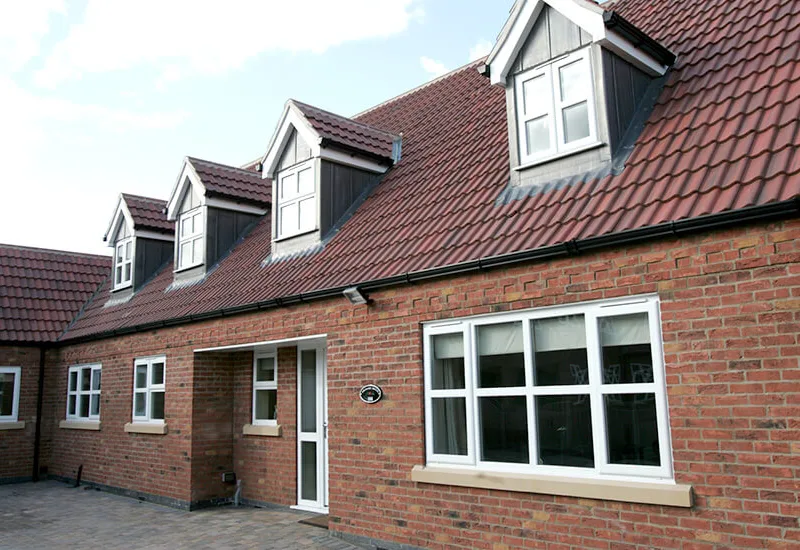
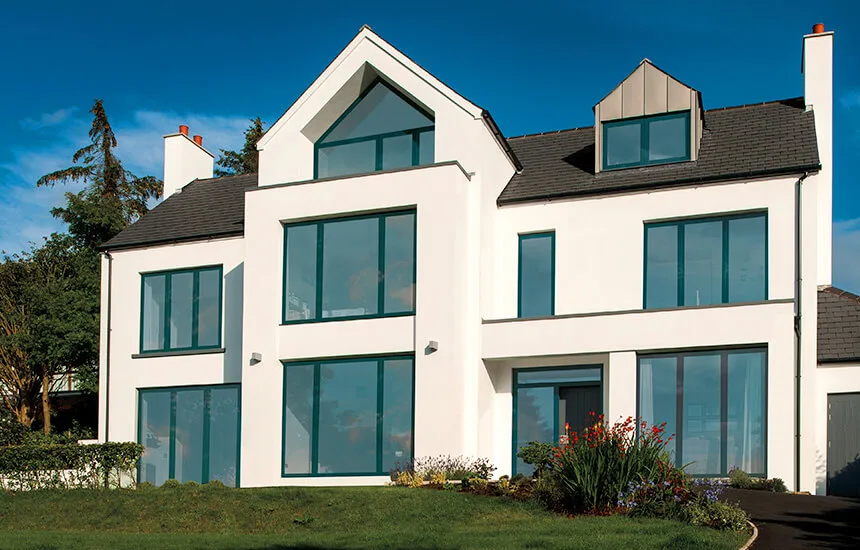
Choosing the right windows for your home isn’t just a quick cosmetic upgrade; it is a major architectural investment that directly dictates your property’s energy efficiency, internal security, acoustic comfort, and long-term resale value.
With a vast array of framing materials, glazing technologies, and opening mechanisms available on the Irish market today, navigating these options can feel overwhelming. This comprehensive guide breaks down the science and design of modern window systems, ensuring you make an informed decision that balances historic charm, modern performance, and climate resilience.
1. Deep Dive: Window Styles and Structural Functionality
The physical style of your windows dictates how air flows through your living space, how much natural light enters, how secure your ground floor remains, and how easily you can maintain the property over time. In Ireland, architectural styles range from traditional Georgian brick homes to minimalist coastal builds, meaning different window configurations serve wildly different practical purposes.
Casement & Flush Casement Windows
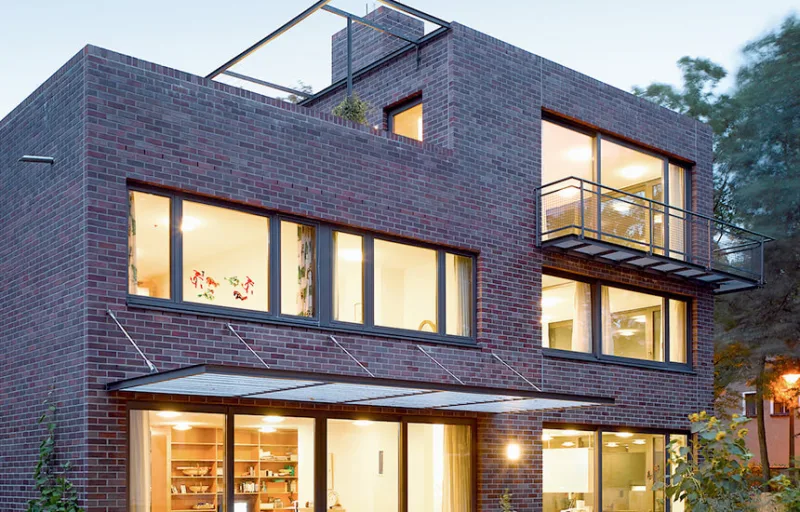
Casement windows remain the most popular choice across both Northern Ireland and the Republic of Ireland. Hinged at the side, they swing outward like a door, allowing the entire pane to capture passing cross-breezes and funnel maximum ventilation into the room.
Standard Casement: Features a lip where the opening sash sits proud of the structural frame. It is highly effective at shedding rainwater away from the property.
Flush Casement: A premium aesthetic variation where the sash sits completely flat and level within the frame when closed. This creates a clean, uniform exterior facade that flawlessly bridges the gap between historical cottage heritage and ultra-modern architecture.
The Climate Factor: Because casement windows are pressed tightly against their rubber seals by prevailing winds, they offer exceptional weather tightness and structural insulation during severe winter storms.
Sliding Sash Windows
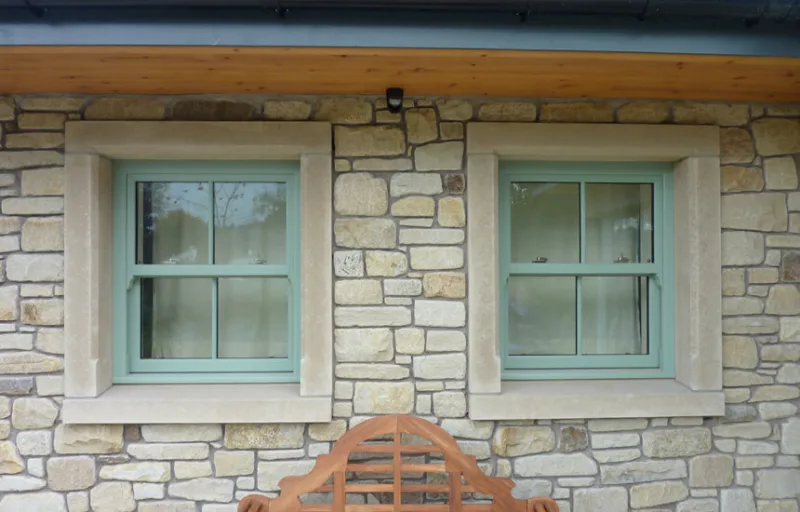
For homeowners living in period properties, Victorian terraces, or rural heritage cottages, maintaining architectural integrity is a primary concern. Sliding sash windows utilise two staggered glass panels that slide vertically past one another.
While historical timber sash windows were notorious for rattling, jamming, and leaking heat via cold drafts, modern iterations change the game. Built with advanced spiral balances or traditional weight-and-pulley systems hidden inside uPVC or clad frames, they offer effortless vertical motion alongside modern brush seals and multi-chamber thermal breaks. You receive the classic, timeless aesthetic of old-world Ireland without sacrificing contemporary warmth.
Tilt and Turn Windows
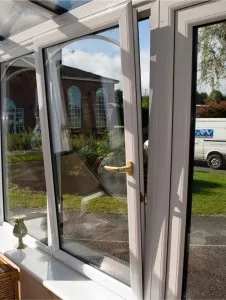
Originating in continental Europe, tilt and turn windows have rapidly become a staple of modern multi-story homes and apartment complexes across Ireland. These windows utilise an ingenious, heavy-duty dual-action hinge mechanism controlled by a single handle:
The Tilt Function: Turning the handle 90 degrees allows the top of the window to tilt inward by a few inches, creating a secure, draft-free ventilation gap. This is ideal for overnight airflow or rainy days, as water cannot easily penetrate the opening.
The Turn Function: Turning the handle a full 180 degrees allows the window to swing completely inward on its side hinges like a door. This makes cleaning the external glass entirely safe from inside the room — eliminating the need for dangerous ladders on upper stories.
Bay and Bow Windows
If your goal is to dramatically alter the internal spaciousness of a living room or master bedroom, bay and bow windows are unmatched.
Bay Windows: Typically feature three structural glass panels arranged in an angular layout (usually a 30 or 45-degree projection) that extends outward past the main exterior wall of the house.
Bow Windows: Feature a curved configuration made of four, five, or six slender window panels, creating an elegant, rounded architectural feature.
Both styles act as natural “light traps,” catching sunlight from multiple angles throughout the day. They create internal alcoves perfect for window seats, reading nooks, or extra storage, while expanding your panoramic views of the outside landscape.
Picture Windows
Picture windows are large, non-opening (fixed) panes of glass housed in minimalist frames. They are specifically engineered to frame beautiful outdoor landscapes, such as rolling rural hills or coastal sea views. Because they have no moving sashes or mechanical hardware, they feature exceptionally slim sightlines that maximise glass area. Furthermore, the lack of any operational openings makes picture windows the most structurally stable and energy-efficient window style on the market, as air infiltration is physically impossible.
2. Framing Material Dynamics: uPVC vs. Aluminium
The material you select for your window frames underpins the thermal efficiency, structural limitations, lifespan, and aesthetic identity of your home renovation. In the Irish climate — characterised by high humidity, frequent rainfall, and corrosive coastal salt air — choosing a durable material is imperative.
uPVC Windows
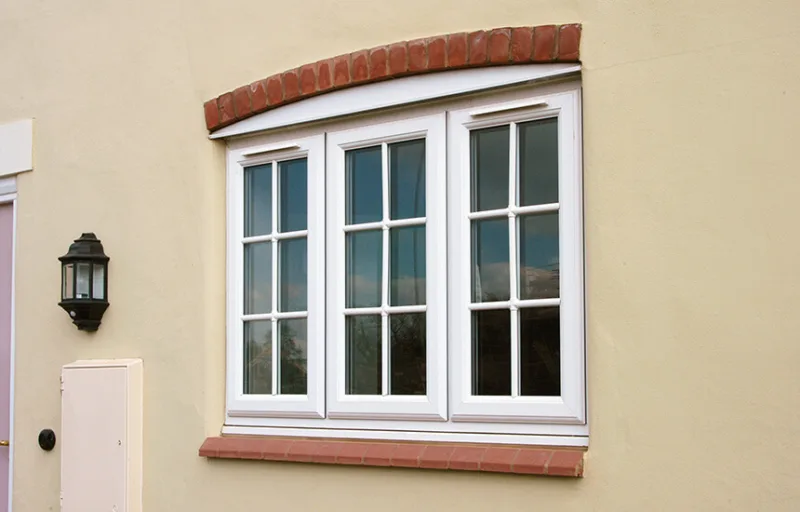
uPVC has long been the powerhouse of the window industry, celebrated for its high performance-to-cost ratio. Modern uPVC is a highly engineered material featuring internal multi-chambered profiles that trap stagnant air, acting as an integrated thermal barrier against heat loss.
Pros: Outstanding thermal insulation, virtually zero maintenance (never requires painting, sanding, or treatment), impervious to rot, rust, and chemical corrosion, and highly cost-effective.
Aesthetics: No longer restricted to plain white plastic; modern uPVC can be finished in a massive array of durable spray colors and realistic woodgrain foils (such as Anthracite Grey, Irish Oak, or Rosewood) that closely mimic authentic timber.
Aluminum Windows
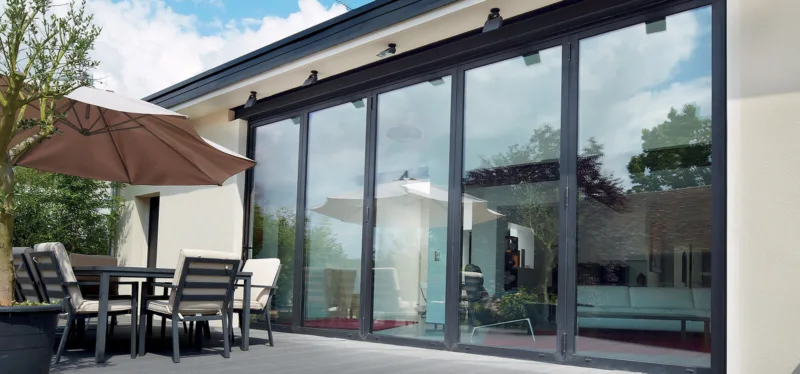
For contemporary architectural extensions, high-end new builds, or properties requiring sweeping glass walls, aluminium is the premier luxury material choice. Because aluminium is incredibly strong and structurally rigid, it can support massive, heavy structural glass panes within exceptionally thin, slender frames.
Pros: Ultra-slim sightlines that maximise natural daylight entry, extreme structural lifespan (often exceeding 45+ years), immune to UV degradation, and 100% infinitely recyclable, making it an eco-friendly option.
The Thermal Break: Because raw metal conducts cold, high-quality aluminium windows feature an internal polyamide thermal break, a high-density insulating barrier embedded between the inner and outer frame layers that completely stops cold bridge transitions.
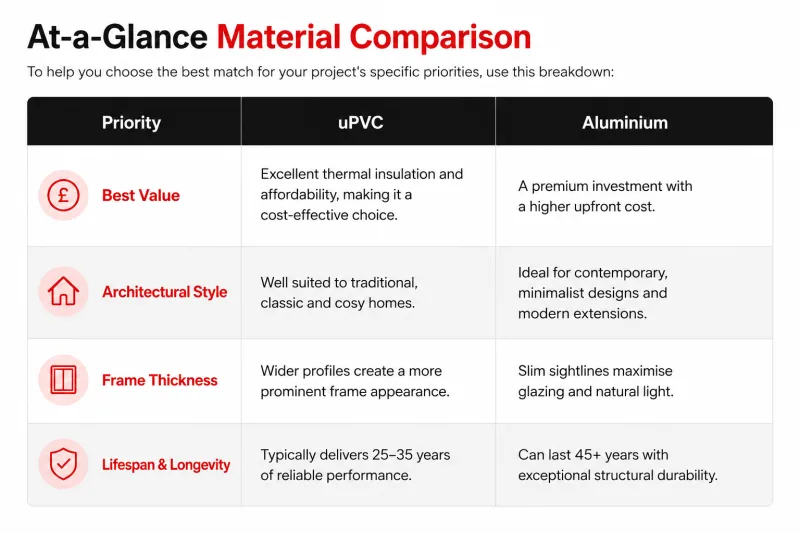
At-a-Glance Material Comparison
To help you choose the best match for your project’s specific priorities, use this breakdown:
3. The Science of Insulation: Double vs. Triple Glazing
With home heating costs continuing to fluctuate and national building regulations placing stricter demands on home energy ratings (such as BER in the Republic of Ireland or EPC in Northern Ireland), your choice of glazing is a critical financial decision. Window efficiency is fundamentally measured via U-Values — the lower the U-value, the better the window is at stopping heat from escaping your home.
Double Glazed Windows
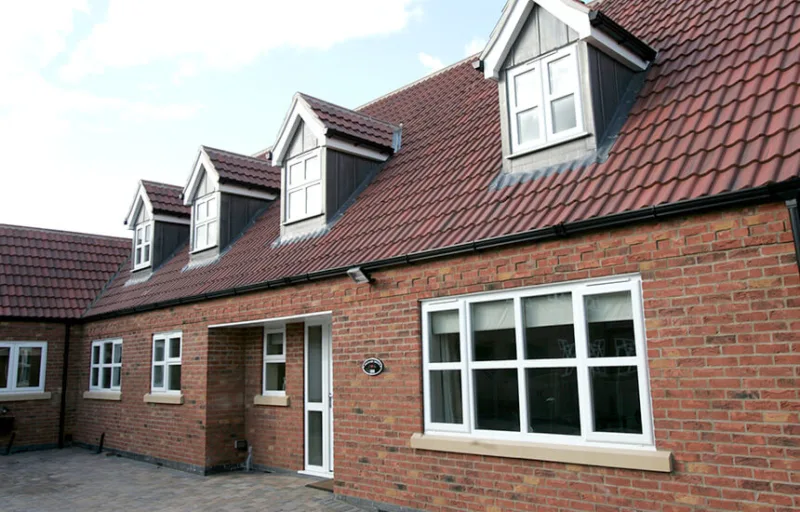
Modern double glazing is standard across residential retrofits. It comprises two distinct sheets of glass separated by an insulating spacer bar. The internal gap between the panes is filled with an inert, heavy gas — typically Argon — which slows down the movement of heat energy far more effectively than standard air.
Additionally, the glass sheets are treated with invisible, microscopic Low-E (Low Emissivity) metallic coatings. These coatings act like a two-way mirror for temperature: they reflect warm indoor heat back into your living rooms while allowing natural solar heat from the sun to pass through, warming your home for free via passive solar gain.
Triple Glazed Windows
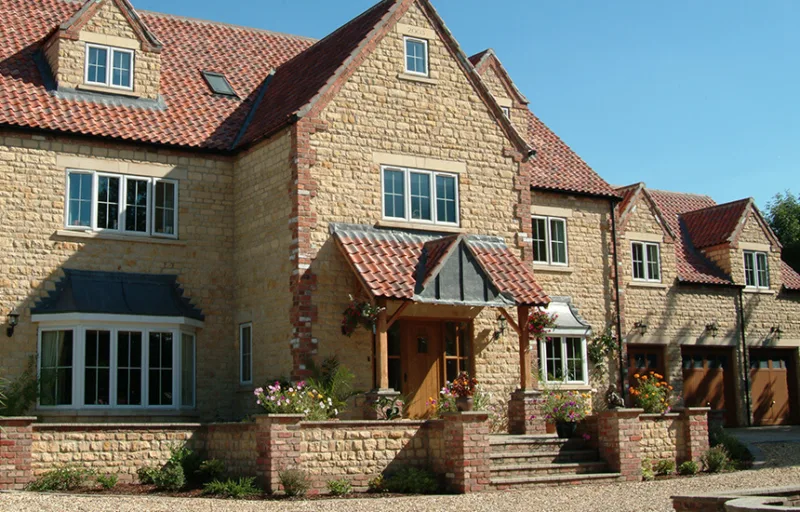
Triple glazing inserts a third pane of glass, creating two separate Argon-gas-filled insulating cavities. This configuration offers a massive leap in performance:
Superior Thermal Retention: Triple glazing can lower a window’s U-value down significantly, drastically reducing your annual home heating bills and locking heat inside north-facing or heavily shaded rooms.
Elimination of Cold Spots: In deep winter, the internal glass pane of a triple-glazed window remains close to room temperature. This eliminates the “drafty down-draft” feeling common near large glass surfaces and entirely prevents internal condensation from forming on the glass.
Enhanced Acoustic Dampening: By varying the glass thicknesses across the three panes (e.g., combining 4mm and 6mm glass), triple glazing disrupts incoming sound waves, dramatically dampening traffic noises, barking dogs, and heavy wind noise.
4. How to Choose: The Homeowner’s Diagnostic Matrix
To make this guide as practical as possible, match your home’s core symptoms or goals to our specialist recommendations below:
Scenario A: “My home feels drafty, cold, and my heating bills are spiking.”
The Diagnostic Recommendation: Prioritise uPVC frames paired with Triple Glazing. The multi-chambered profile of uPVC provides elite thermal resistance per square meter, while triple glazing eliminates cold spots entirely. Make sure your installer uses low-emissivity (Low-E) glass to trap internal radiant heat.
Scenario B: “I live near a busy main road or town center and hate the noise.”
The Diagnostic Recommendation: Focus heavily on Acoustic Triple Glazing or Tilt and Turn windows. Tilt and turn variants feature incredibly tight compression seals around the frame perimeter. Combining this with staggered glass pane thicknesses creates an acoustic barrier that completely disrupts incoming sound frequencies.
Scenario C: “I am building a modern rear extension and want giant glass views.”
The Diagnostic Recommendation: Choose Aluminium frames with high-performance Double Glazing. Aluminium’s sheer structural strength allows for huge, sweeping panes of glass with ultra-minimal frames, avoiding the bulky look of plastic. Unless the extension faces directly north into the wind, modern double glazing with Argon gas fills will offer excellent insulation while keeping weight limits manageable for large sliding tracks.
5. Crucial Practical Factors for Homeowners
To ensure your investment delivers maximum returns for decades to come, an SEO-minded homeowner must evaluate three non-negotiable practical pillars:
Multi-Point Security Systems
Windows are a primary target for home intrusions. Ensure your selections feature advanced multi-point locking systems, which secure the opening sash to the main frame at multiple structural points with a single turn of the handle. Look for heavy-duty shoot-bolts, anti-jemmy claws, and internally beaded glass (meaning the glass panes cannot be pried out from the outside of the property).
Professional Installation and Acoustic Isolation
The highest-rated triple-glazed window will completely fail to perform if it is poorly installed. Professional installation ensures that structural perimeter expansion gaps are filled with specialised insulating foams and sealed with premium, weatherproof silicone. This prevents structural shifting, eliminates whistling wind leaks, and ensures acoustic insulation remains intact.
Maximising Home Valuation & Curb Appeal
Windows act as the “eyes” of a house. Upgrading tired, faded windows with modern, crisply designed frames completely revitalizes a property’s exterior aesthetic. If you plan to sell your property down the line, upgraded windows significantly boost curb appeal, elevate your formal energy efficiency certificates, and give prospective buyers peace of mind that no expensive structural renovations are looming.
Conclusion: Partnering with the Right Experts
Choosing the best windows for your home is a significant decision that affects your living space’s aesthetic appeal, functionality, and energy efficiency. If you are ready to enhance your home, we are here to help every step of the way. You can explore our website to learn more about the various styles, materials, and glazing options we offer, or schedule a consultation to see firsthand how these windows will look in your home setting. If you need a bit of guidance, feel free to speak to an expert on our team for professional, tailored advice. Ready to plan your next steps? Contact us today to get a detailed quote and find the perfect fit for your home.