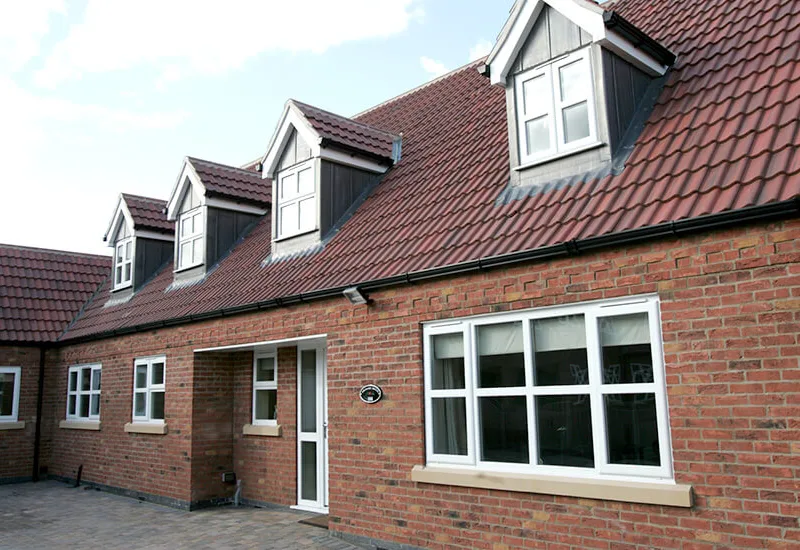
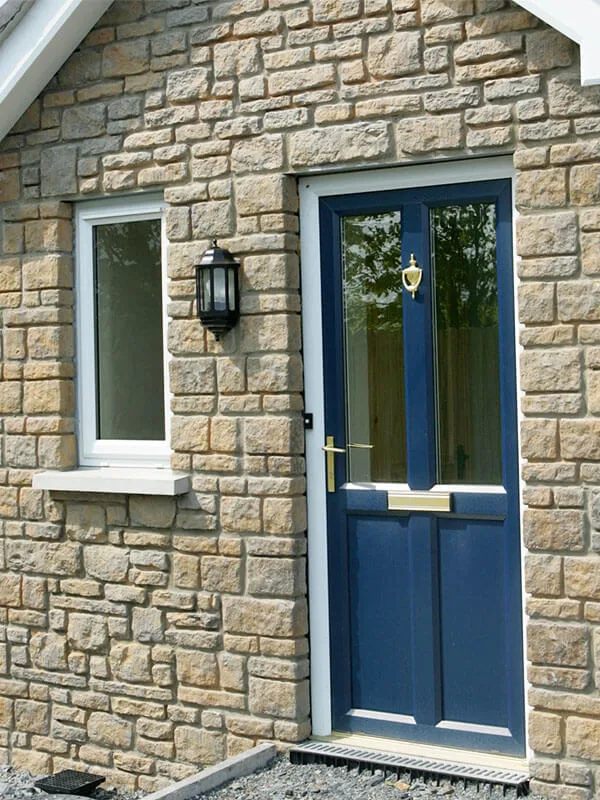
Your exterior doors play a critical, dual role in the structural integrity of your property. They form the vital first impression of your home’s aesthetic identity while serving as the primary barrier protecting your household from intruders, outside noise, and harsh weather elements.
With an array of modern materials, decorative glass styles, and advanced safety locking systems available on the market today, navigating your options can feel overwhelming. This comprehensive guide breaks down the science, materials, and designs of modern door systems. Our goal is to ensure you make an informed decision that balances architectural charm, modern security, and long-term climate resilience.
1. Material Dynamics: Which Option Fits Your Home?
The foundation of a good door selection starts with choosing the right materials. The material you select for your front or back door frame underpins its thermal efficiency, structural limitations, lifespan, and maintenance routine. In our climate—characterized by high humidity, driving wind-driven rain, and corrosive coastal salt air—selecting a resilient material is imperative.
Composite Doors
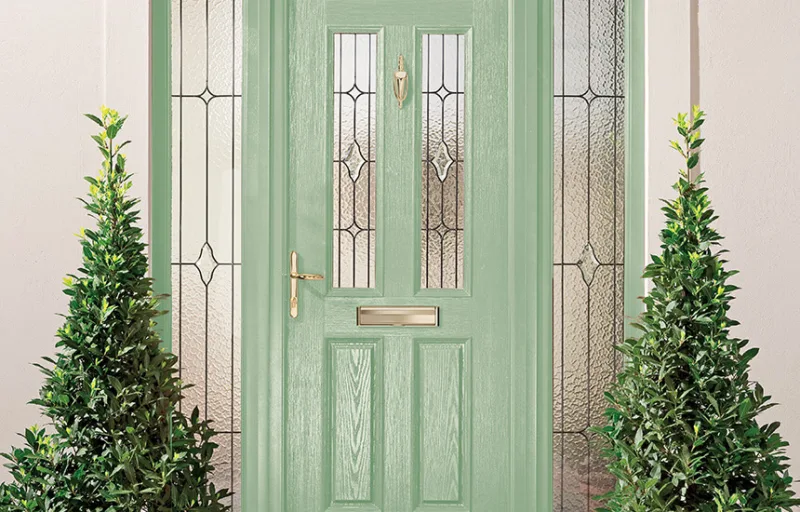
Composite doors represent the premier choice for modern front entrances, flawlessly bridging the gap between old-world beauty and contemporary engineering. They are constructed using a thick, solid timber core wrapped in high-density insulating polyurethane foam, all encased in a highly durable, through-colored GRP (Glass Reinforced Plastic) outer skin.
The Aesthetics: GRP skins can be molded with deep, authentic grain details that mimic real wood perfectly, allowing you to achieve the timeless look of a traditional timber door.
The Practical Benefit: Unlike raw wood, a composite door will never warp, bow, twist, or rot when exposed to damp Irish weather. They require no painting, sanding, or varnishing, and offer elite thermal retention.
Best For: Premium front doors where maximum structural security and elegant style are the main priorities.
uPVC Doors (Unplasticised Polyvinyl Chloride)
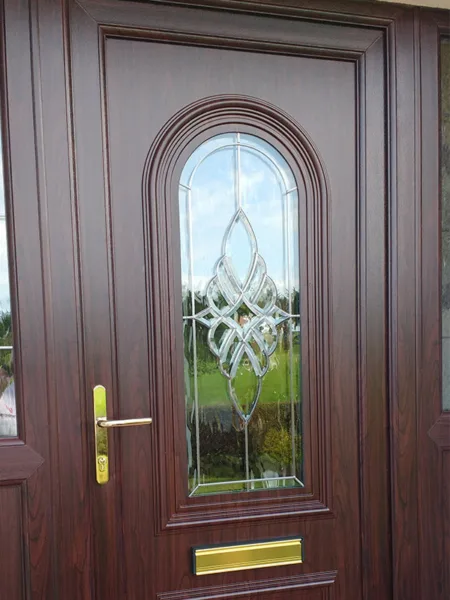
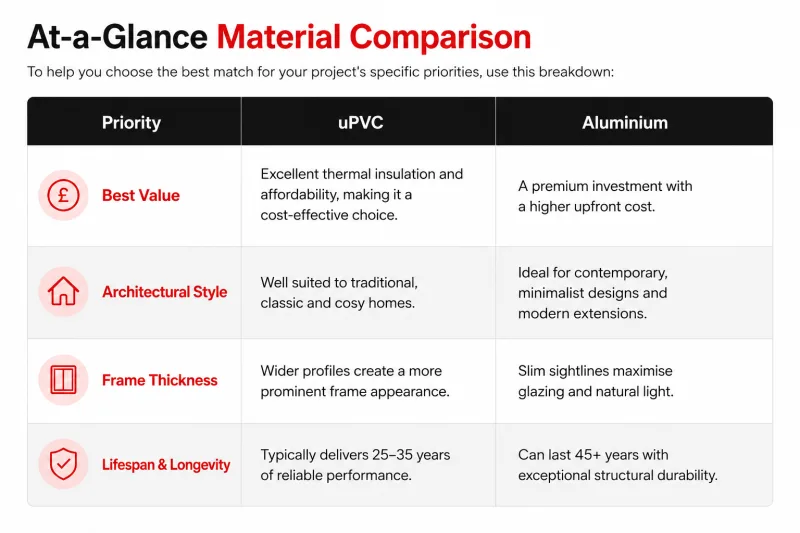
uPVC has long been the powerhouse of the home improvement industry, celebrated for its durability and exceptional performance-to-cost ratio. Modern uPVC doors feature highly engineered, multi-chambered profiles that trap stagnant air, acting as an integrated thermal barrier against heat loss.
The Practical Benefit: They are renowned for their low maintenance, requiring only an occasional wipe down with warm, soapy water to keep them looking pristine. They are completely immune to rust, rot, and chemical corrosion.
Best For: Back doors, side utility entrances, or budget-conscious front door replacements that still require excellent weather sealing and structural stability.
Aluminium Doors
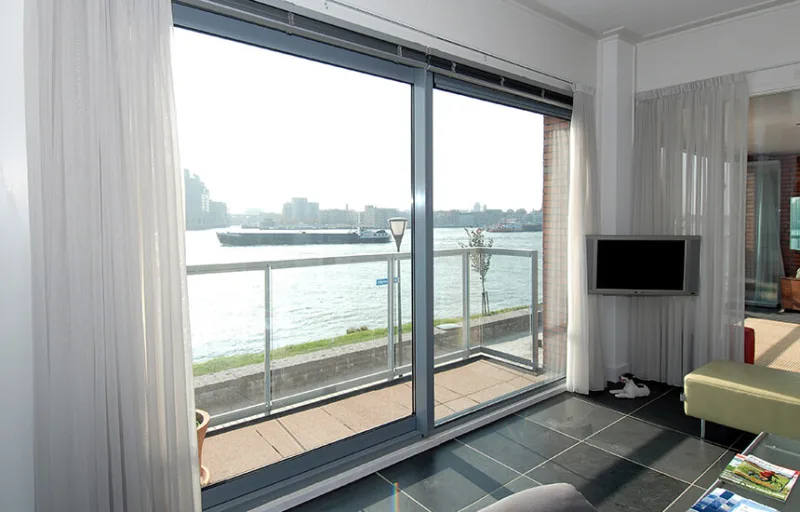
For contemporary architectural extensions, high-end new builds, or properties requiring sweeping expanses of glass, aluminium is the premier luxury material choice. Because aluminium is incredibly strong and rigid, it can support massive, heavy structural glass panes within exceptionally thin, slender profiles.
The Practical Benefit: It delivers a sleek, minimalist aesthetic with an extreme structural lifespan (often exceeding 40+ years). To ensure maximum warmth, modern aluminium doors feature an internal polyamide thermal break—a high-density insulating barrier embedded between the inner and outer frame layers that stops cold bridge transitions.
Best For: Modern residences, ultra-slim front entrances, and large rear patio door configurations.
2. Style and Design: Reflecting Your Architectural Character
The style of your door should complement and enhance your home’s existing architectural character, defining the first impression of your residence. Colours and finishes can either make a bold statement or harmoniously blend with the rest of your home’s façade. With a vast contemporary palette available, you can choose to personalise your door to reflect your creative style practically.
3. Expanding to the Rear: Choosing Patio & Garden Doors
While front doors focus heavily on curb appeal and individual entry, choosing a back or garden door is about connecting your interior living space seamlessly with your outdoor garden or patio layout.
French Doors
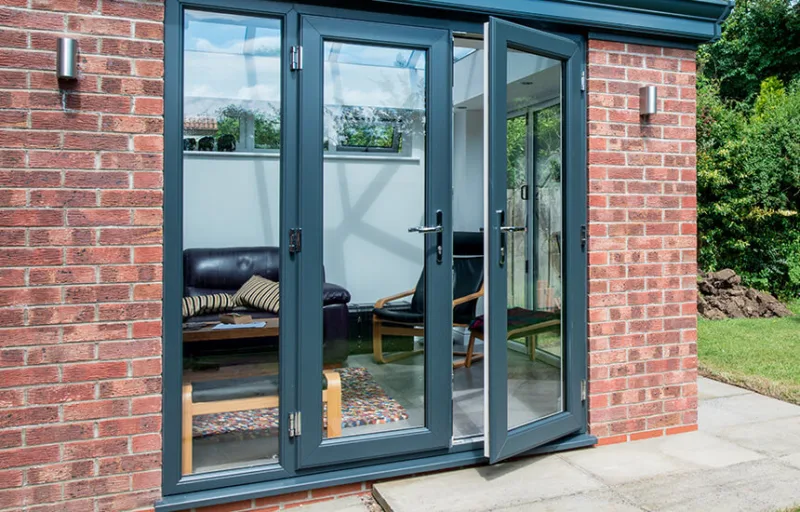
French doors consist of a classic pair of matching doors that open outwards or inwards from central hinges. They offer a timeless, elegant design that floods rooms with light. When both sashes are opened fully, they provide a completely unobstructed opening to your garden patio, making them ideal for traditional homes and dining area extensions.
Sliding Patio Doors
Modern sliding doors operate on smooth tracks, allowing horizontal panels to glide effortlessly past one another. Because the doors slide parallel to the wall, they require absolutely zero internal or external floor clearance to open. This makes them perfect for rooms with limited space. Additionally, they allow for much larger, unbroken panes of glass compared to French doors, maximising your panoramic views.
Bifold Doors
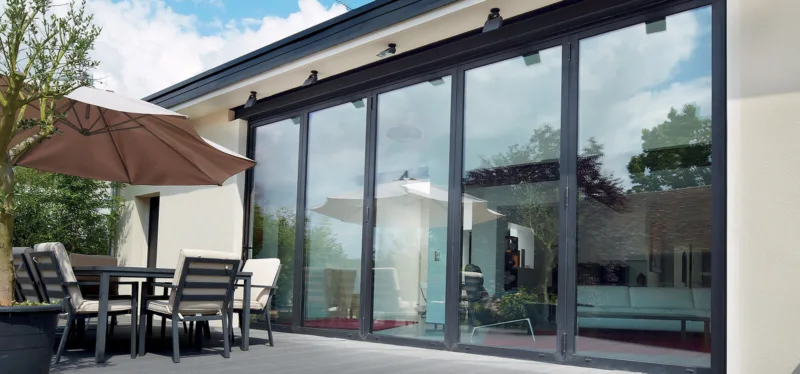
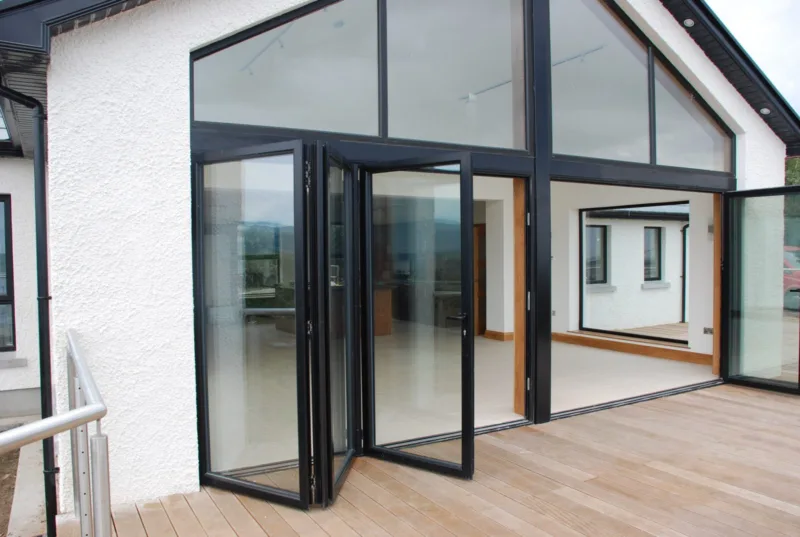
Bifold doors feature multiple hinged panels that slide along a track and fold completely flat against one another at the edge of the opening. They allow you to open up an entire wall of your house, seamlessly merging your indoor kitchen or living room with an outdoor entertainment area during the summer months.
4. Security Engineering: Safeguarding Your Sanctuary
The security of your front and back doors is paramount. At Turkington, we understand that security should never compromise style. Modern entrances merge strong, protective features with design elegance to ensure your peace of mind without sacrificing visual appeal. When evaluating your next door, ensure it features these non-negotiable security layers:
Multi-Point Locking Systems: Rather than relying on a single central deadbolt, a multi-point lock uses a series of heavy-duty hooks, rollers, and shoot-bolts that engage simultaneously into deep steel keeps along the frame track with a single turn of the handle or key.
Anti-Snap Cylinder Locks: A common technique for forced entry is “lock snapping.” High-quality security doors feature regulatory anti-snap cylinders. If an intruder attempts to force the lock, the outer portion snaps off cleanly, leaving the core locking mechanism entirely protected and inaccessible inside the internal housing.
Internal Glass Beading: If your door features decorative double or triple glazing glazing panels, ensure the structural beads holding the glass unit in place sit on the inside of your property. This physically prevents an intruder from prying the glass out from the garden side to gain entry.
5. Energy Efficiency: Optimising Home Comfort
The choice of door can significantly impact your home’s thermal efficiency. With rising energy costs, it’s important to invest in doors that help maintain a comfortable indoor temperature. Features like double glazing, thermal breaks, and energy-efficient insulating cores are critical in minimiwing heat loss.
Drafty doors are one of the single biggest causes of cold drafts inside hallways and kitchens. When comparing choices, look for models featuring high-density insulated cores and premium, dual-seal rubber weather-stripping that crushes tightly into place when closed.
If your door includes glass details, make sure it utilises Argon-gas filled glazing treated with invisible, microscopic Low-E (Low Emissivity) metallic coatings. These coatings act like a two-way mirror for temperature: they reflect warm indoor radiant heat back into your living rooms while allowing natural solar heat from the sun to pass through, reducing your heating bills and improving your property’s overall energy certificate rating (BER/EPC).
6. Access and Usability: Selecting the Right Threshold
An often overlooked aspect of door buying is the threshold—the bottom structural sill you step over to enter the house. Your choice impacts both accessibility and weather performance:
Standard Weather-Rated Thresholds: These thresholds feature a raised lip that locks tightly against the bottom seals of the door leaf when closed. This provides maximum protection against driving rain and rising water during severe storms.
Low / Level Thresholds: Designed to sit flush or near-flush with the internal and external floor levels. These are vital for wheelchair accessibility, prams, and reducing tripping hazards in busy family homes.
Expert Insight: If you choose a low threshold for an exposed front or back door, ensure your installer integrates external drainage tracks or a rain deflector bar on the door leaf to shed surface water away from your internal flooring.
7. Installation: Professionalism and Precision
Choosing the right door is as much about precision installation as it is about quality manufacturing. A door is a moving mechanical structure; even the highest-spec composite or aluminium door will completely fail to perform if it is poorly fitted.
Proper, professional installation ensures that structural perimeter expansion gaps are filled with specialised insulating foams and sealed with premium, weatherproof silicone. This prevents structural shifting, eliminates whistling wind leaks, ensures the multi-point locks align perfectly with their keeps, and keeps your acoustic insulation intact. At Turkington, we offer professional door installation services across Ireland, performed by our team of experts who ensure that every fitting meets our high standards.
Elevate Your Home’s Entrance
Ready to take the next step? Whether you’re replacing a single door or planning a complete home improvement project, you can request a free, no-obligation quote online and receive expert guidance tailored to your requirements.
If you’re ready to explore our extensive door range or need personalised advice tailored to your needs, feel free to get in touch today or explore more on our website.