If you’re considering adding a conservatory to your home, you’re probably asking yourself a lot of questions.
Which style is right for my property? Will it be comfortable all year round? Do I need planning permission? And perhaps most importantly, how do I make sure I choose a conservatory that genuinely improves the way I live?
After more than 40 years helping homeowners choose and install conservatories in Northern Ireland, we’ve found that the best conservatories aren’t necessarily the biggest or most expensive. They’re the ones that are carefully designed around the people who use them.
This guide will walk you through everything you need to know, from choosing the right style and roof system to avoiding common mistakes that could affect your enjoyment of the space for years to come.
By the end, you’ll have a much clearer idea of which conservatory is right for your home, lifestyle and future plans.
Step 1: Decide How You Want to Use Your Conservatory
One of the biggest mistakes homeowners make is focusing on conservatory styles before thinking about how they’ll actually use the room.
Before comparing Victorian, Edwardian or Gable conservatories, ask yourself:
Will it become a family room?
Do you need additional dining space?
Will it function as a home office?
Are you creating a kitchen extension?
Do you simply want somewhere to relax and enjoy the garden?
Your answers will influence almost every design decision that follows.
For example, a conservatory used as a dining room a few times each week may have very different requirements from one that will be used every day as part of an open-plan living space.
Quick guide to matching your conservatory to your lifestyle:
- Family room: Edwardian
- Dining room: Victorian
- Home office: Lean-To
- Open-plan living: Gable
- Garden room: Victorian
Expert Insight: In our experience, homeowners who define the room’s purpose early in the process tend to be much happier with the finished result. It becomes easier to choose the right style, glazing and roof system when you know exactly how the space will be used.
Step 2: What Is the Best Conservatory Style for Your Home?
The right conservatory should complement your property rather than look like an afterthought.
Different styles suit different homes, and choosing a design that works with your property’s architecture can make a huge difference to the final result.
Best conservatory styles by property type:
Detached house: Edwardian or Gable
Semi-detached house: Edwardian or Lean-To
Bungalow: Lean-To
Traditional property: Victorian
Contemporary home: Gable
An Edwardian conservatory often works exceptionally well on larger properties because of its practical rectangular footprint.
Meanwhile, Victorian conservatories remain a favourite for period homes thanks to their elegant appearance and traditional charm.
For homeowners looking for a more contemporary aesthetic, a Gable conservatory can create a stunning architectural feature while maximising natural light.
Step 3: Victorian vs Edwardian vs Lean-To vs Gable Conservatories
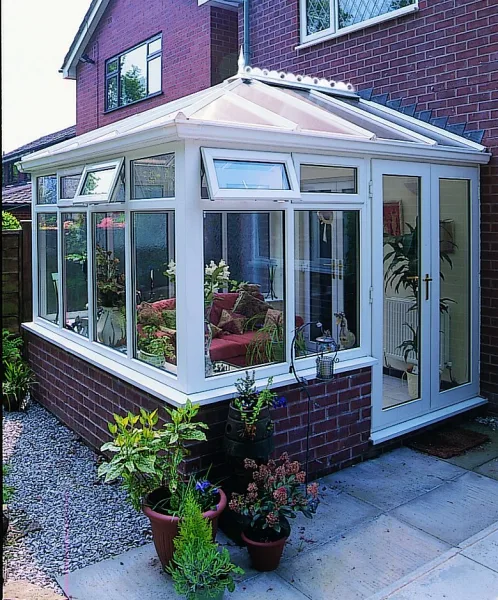
With several styles available, understanding the differences can help you narrow down your options.
Victorian: good space, excellent character, excellent natural light — best for traditional homes.
Edwardian: excellent space, good character, excellent natural light — best for everyday living.
Lean-To: good space, modern character, good natural light — best for smaller properties.
Gable: excellent space, excellent character, excellent natural light — best for contemporary homes.
Victorian Conservatories
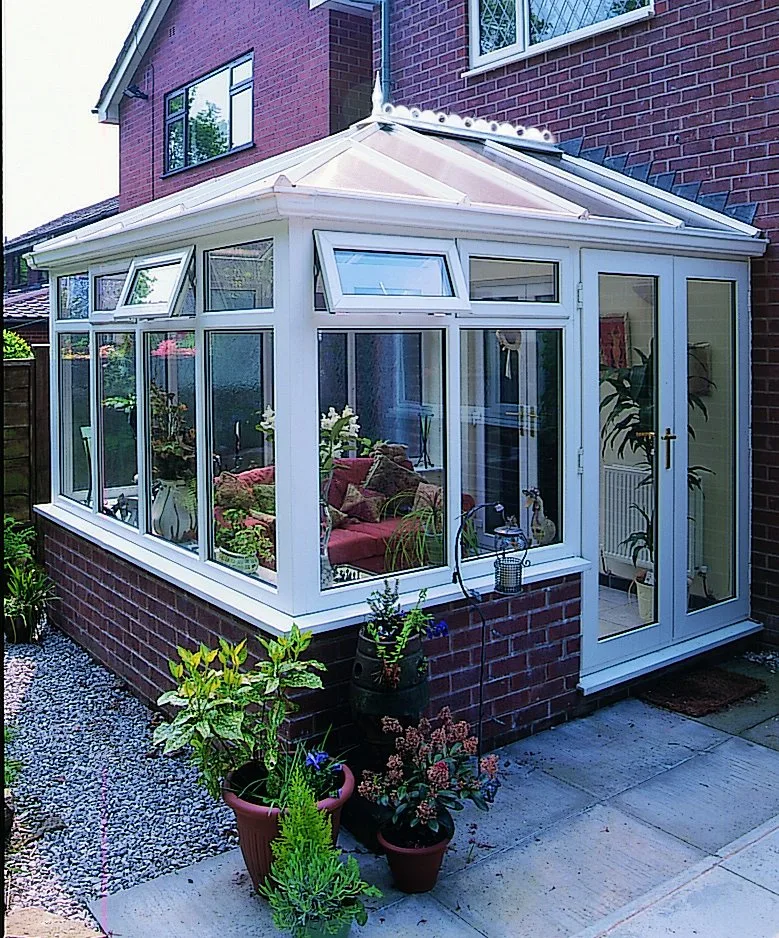
Victorian conservatories are instantly recognisable thanks to their elegant bay-fronted design and decorative detailing.
They’re ideal for:
Period properties
Traditional homes
Homeowners seeking character and charm
Edwardian Conservatories
Edwardian conservatories offer a square or rectangular footprint that maximises usable floor space.
They’re ideal for:
Family living
Dining rooms
Open-plan layouts
Everyday use
Lean-To Conservatories
Lean-to conservatories are simple, practical and versatile.
They’re ideal for:
Bungalows
Smaller gardens
Modern properties
Gable Conservatories
Gable conservatories feature a striking high-pitched roof that creates a feeling of space and grandeur.
They’re ideal for:
Larger homes
Contemporary properties
Open-plan living
Step 4: Which Conservatory Style Gives the Most Usable Space?
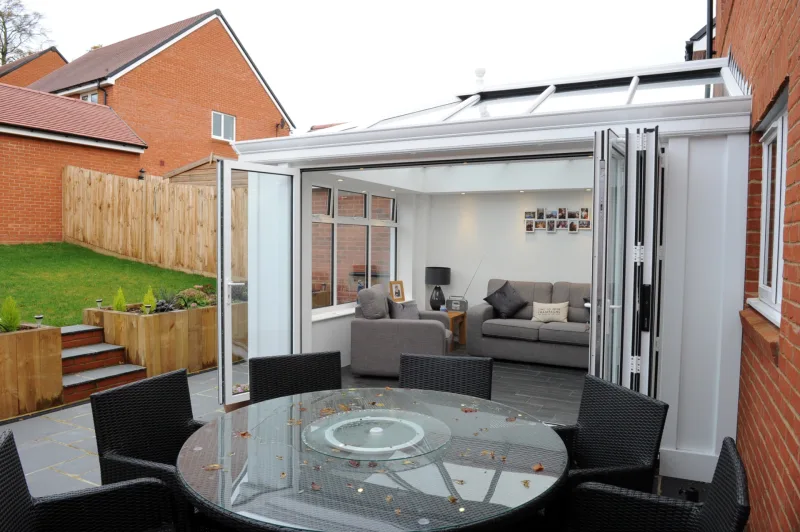
If practicality is your priority, this question is incredibly important.
While Victorian conservatories are beautiful, their faceted front design can slightly reduce usable floor space.
Edwardian conservatories are generally considered the most practical because their rectangular layout makes furniture placement easier and allows homeowners to maximise every square metre.
Best conservatory styles at a glance:
Most usable space: Edwardian
Traditional character: Victorian
Small garden: Lean-To
High ceilings: Gable
Modern appearance: Gable
For many homeowners, the Edwardian style offers the best balance between appearance, functionality and long-term usability.
Step 5: Conservatory vs Extension – Which Is Right for You?
Many homeowners begin their research unsure whether a conservatory or a traditional extension is the better choice. It’s also worth running a conservatory vs orangery comparison if you like the look of a more traditional, brick-built structure, since an orangery sits stylistically between the two — and if a fully brick-built structure suits your plans better still, our home extension solutions are worth a look for a side-by-side comparison.
The answer depends on how you want to use the space.
Conservatory: more natural light, a stronger connection to the garden, faster installation, and a more cost-effective build.
Traditional Extension: more privacy, a traditional feel, a longer build time and a larger investment, but a fully integrated living space.
Modern conservatories have evolved significantly over the years.
With advanced glazing and insulated roof systems, many now provide levels of comfort that were once only associated with traditional extensions.
Expert Insight: For homeowners who want to maximise natural light and maintain a strong connection with their garden, a conservatory often provides the best of both worlds.
Step 6: Does a Conservatory Add Value to a Home?
A well-designed conservatory can increase the appeal of your property while creating additional living space that buyers find attractive.
However, value isn’t just about resale.
Many homeowners choose a conservatory because it improves the way they live every day.
Benefits can include:
More living space
Better connection to the garden
Increased natural light
Improved flexibility
Enhanced property appeal
The key is choosing a design that feels like a natural extension of the home rather than an afterthought.
Step 7: What Is the Best Conservatory Roof?
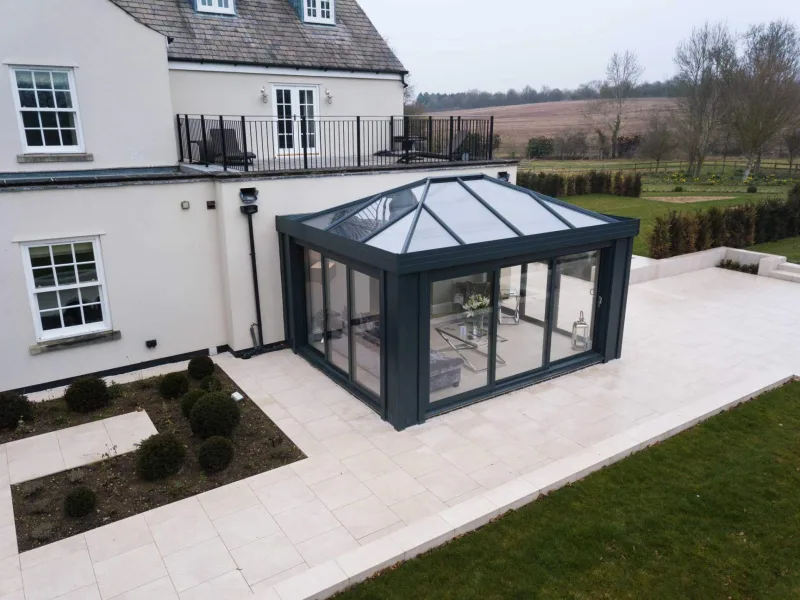
When homeowners start researching conservatories, most focus on the style.
In reality, the roof often has the biggest impact on comfort and usability. Take a look at our conservatory roof options to see how each performs in real Northern Ireland installations.
Glass Roof: excellent natural light, good insulation, good year-round comfort.
Solid Roof: good natural light, excellent insulation, excellent year-round comfort.
Hybrid Roof: excellent natural light, excellent insulation, excellent year-round comfort.
Glass Roofs
Glass roofs maximise daylight and provide uninterrupted views of the sky.
They are ideal for homeowners who prioritise natural light.
Solid Roofs
Solid roofs offer exceptional insulation and create a room that feels more like a traditional extension.
Hybrid Roofs
Hybrid roofs combine glazed sections with insulated panels to balance light and thermal performance.
Expert Insight: In our experience, homeowners who intend to use their conservatory every day often place greater value on roof performance than style once the project is complete.
Step 8: Can a Conservatory Be Used All Year Round?
Modern conservatories are dramatically different from those built decades ago.
With the right combination of glazing, insulation and ventilation, a conservatory can become a comfortable living space throughout the year.
Key features include:
- High-performance glazing
- Solar control glass
- Thermally efficient frames
- Insulated roof systems
- Effective ventilation
When these elements work together, a conservatory can remain comfortable during both summer and winter.
Step 9: Do I Need Planning Permission for a Conservatory in Ireland?
Planning requirements vary depending on the size, location and design of your conservatory.
Many conservatories can be built under permitted development rules, but exceptions do exist.
Factors that may affect planning requirements include:
Property type
Conservatory size
Existing extensions
Protected locations
Conservation areas
Because every project is unique, it’s always worth seeking professional advice before proceeding.
Step 10: Common Conservatory Mistakes Homeowners Make
Avoiding these common mistakes can help ensure your conservatory remains enjoyable for years to come.
Choosing Style Before Purpose: Always decide how you’ll use the room before choosing the design.
Ignoring Roof Performance: The roof has a significant impact on comfort and energy efficiency.
Overlooking Property Orientation: Sunlight levels can dramatically affect temperature throughout the day.
Focusing Only on Initial Cost: Long-term comfort often provides better value than short-term savings.
Not Thinking About Future Use: Consider how your lifestyle may change over the next 5–10 years.
Step 11: How to Choose the Right Conservatory for Your Home
By now, you should have a much clearer understanding of your options.
To make the final decision, ask yourself four simple questions:
How will I use the room? The answer will influence every other decision.
Which style suits my property? Choose a design that complements your home.
Do I need a year-round living space? If so, pay particular attention to roof and glazing options.
What matters most?
Space?
Natural light?
Character?
Energy efficiency?
There is no universal “best” conservatory. The best conservatory is the one that works for your home, your lifestyle and your future plans.
Frequently Asked Questions
Which conservatory style is most popular?
Victorian and Edwardian conservatories remain two of the most popular styles thanks to their versatility and timeless appearance.
Which conservatory style gives the most usable space?
Edwardian conservatories typically provide the most practical floor area because of their rectangular layout.
Can a conservatory be used all year round?
Yes. Modern glazing, insulated roofs and thermally efficient frames can create a comfortable year-round living space.
What is the best conservatory roof?
Hybrid and solid roof systems generally offer the best balance of insulation and comfort.
Do conservatories add value to a home?
A well-designed conservatory can improve buyer appeal and create valuable additional living space.
Thinking About Adding a Conservatory?
For over 40 years, Turkington Windows & Conservatories has helped homeowners across Northern Ireland create beautiful, practical and energy-efficient living spaces.
Whether you’re comparing conservatory styles, exploring roof options or simply looking for expert advice, our experienced team can help you find the perfect solution for your home. Take a look at our recent conservatory installations to see the styles in this guide built in real Northern Ireland homes. If you’re planning a wider home improvement project, our guides to choosing the best windows and the right front, back and patio doors cover the same ground for those products.
Get in touch with Turkington today to request a free consultation — our team will talk through your space, your budget and which style and roof combination will actually suit how you live, then follow up with a no-obligation quotation.